Which precipitation-hardening stainless steel grades are available?
Laxcon publishes 15-5 PH and 17-4 PH, including the 1.4542 and 1.4594 references, to AMS 5642, AMS 5622, ASTM A564 and DIN or EN 10088-3.
Our integrated manufacturing edge gives us the ability to produce steel in a variety of finishes, surface options and profiles
OVERVIEW
Precipitation Hardening stainless steels are chromium and nickel containing steels that provide an optimum combination of the properties of Martensitic and Austenitic grades. Like Martensitic grades, they are known for their ability to gain high strength through heat treatment and they also have corrosion resistance of austenitic stainless steel.
The high tensile strengths of precipitation hardening stainless steels come after a heat treatment process that leads to precipitation hardening of Martensitic or Austenitic matrix. Hardening is achieved through the addition of one or more of the elements Copper, Aluminium, Titanium, Niobium and Molybdenum.
The most well known precipitation hardening steel is 17-4 PH, the name comes from the additional 17% Chromium and 4% Nickel. It also contains 4% Copper and 0.3% Niobium, 17-4 PH is also known as stainless steel grade 630.
The advantage of precipitation hardening steels is that they can be supplied in a “solution-treated” condition, which is readily machinable, After machining or another fabrication method, a single, low-temperature heat treatment can be applied to increase the strength of the steel. This is known as aging or age-hardening. As it is carried out at low temperature, the component undergoes no distortion.
Composition limits for 17-4 PH and 15-5 PH, with their EN and UNS names, are in the precipitation hardening grade family. What each heat-treatment condition buys is set out in the precipitation hardening article.
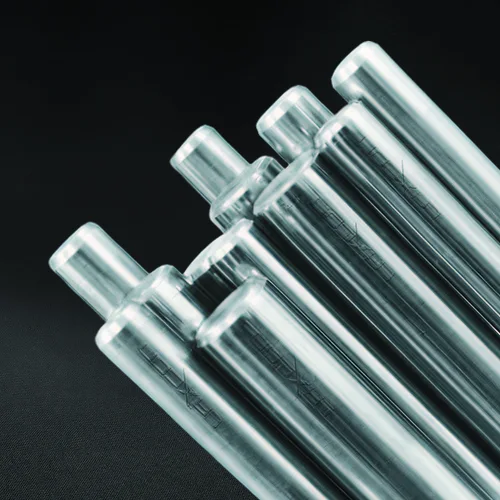
SPECIFICATION
| Condition | Ageing temperature | Minimum tensile strength | Minimum yield strength | Hardness (max or range) |
|---|---|---|---|---|
| A (solution treated) | none | not specified | not specified | 363 HB max |
| H900 | 482 degrees C, 1 hour | 1,310 MPa | 1,170 MPa | 388 HB min |
| H925 | 496 degrees C, 4 hours | 1,170 MPa | 1,070 MPa | 375 HB min |
| H1025 | 552 degrees C, 4 hours | 1,070 MPa | 1,000 MPa | 331 HB min |
| H1075 | 580 degrees C, 4 hours | 1,000 MPa | 860 MPa | 311 HB min |
| H1100 | 593 degrees C, 4 hours | 965 MPa | 795 MPa | 302 HB min |
| H1150 | 621 degrees C, 4 hours | 930 MPa | 725 MPa | 277 HB min |
| H1150M | 760 degrees C 2 hours, then 621 degrees C 4 hours | 795 MPa | 520 MPa | 255 HB min |
ASTM A564 minimum properties for bar in each condition; the condition number is the ageing temperature in degrees Fahrenheit. Laxcon supplies the bar solution treated (Condition A) or aged to the condition ordered.
A martensitic stainless steel such as 420 reaches high strength by quench and temper, which distorts the part and limits corrosion resistance. An austenitic grade such as 316 has the corrosion resistance but cannot be hardened at all. 17-4PH and 15-5PH are machined soft in the solution treated condition and then aged at 480 to 620 degrees Celsius for one to four hours, which precipitates copper-rich particles through the martensitic matrix and raises the yield strength to between 725 and 1,170 MPa depending on the condition chosen, with a dimensional change of about 0.05 percent and corrosion resistance close to 304. That combination is why the family is specified for pump shafts, valve stems, aerospace fittings, gears and moulds.
What each condition buys, and the trade between strength and toughness as the ageing temperature rises, is set out in the precipitation hardening article; composition limits and the EN and UNS names are in the grade family.
Laxcon publishes 15-5 PH and 17-4 PH, including the 1.4542 and 1.4594 references, to AMS 5642, AMS 5622, ASTM A564 and DIN or EN 10088-3.
Precipitation hardening stainless steel is listed in the solution annealed condition and in H900, H925, H1025, H1075, H1100, H1150, H1150D and H1150M.
Published applications for precipitation hardening steels are oil and gas, power, offshore, chemical, nuclear, food, aerospace, pulp and paper, high-pressure pumps and valves, and mechanical or control components.
Laxcon packs precipitation hardening stainless steel bars in standard bundles of 500 to 1,000 kg with HDPE or LDPE wrapping and two lifting slings. ISPM 15 wooden boxes and fibre-tube packing are available, and every bundle is marked with heat number, grade, size, and net and gross weight.
An enquiry for precipitation hardening stainless steel bars is quotable when it states the grade, governing standard, metric size or profile, tolerance, finish or heat-treatment condition, length, quantity, test or inspection requirement, and delivery destination.
CATALOGUE
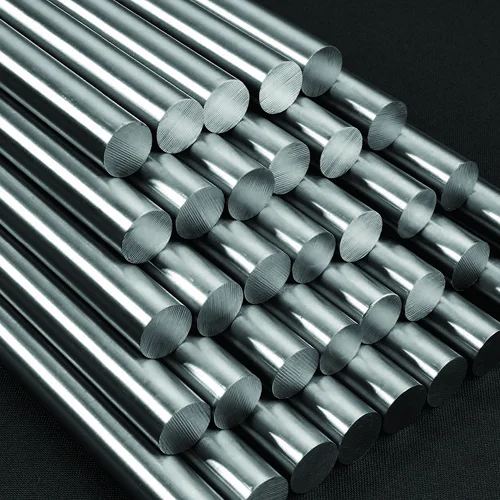 Bright Bars
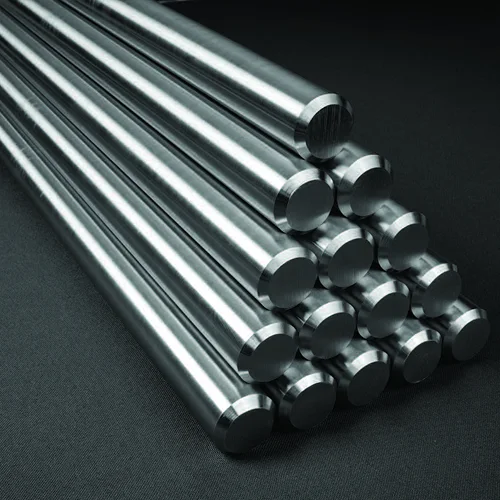 Precision Shaft Quality (PSQ) Bars
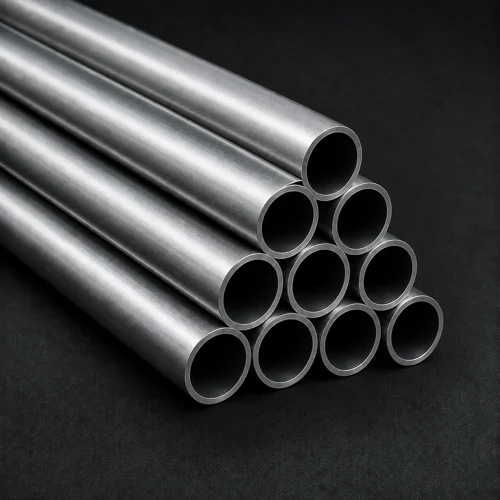 Pipes and Tubes
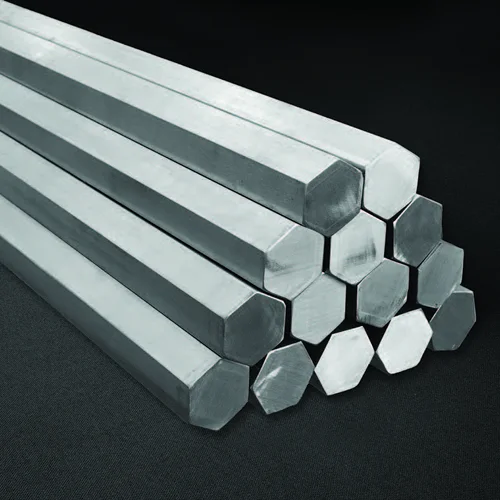 Hexagonal Bright Bars
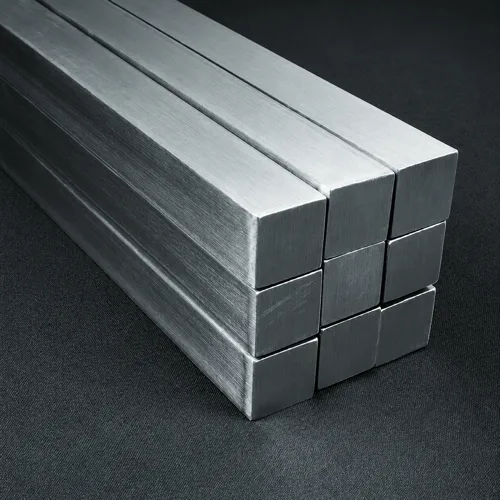 Square Bright Bars
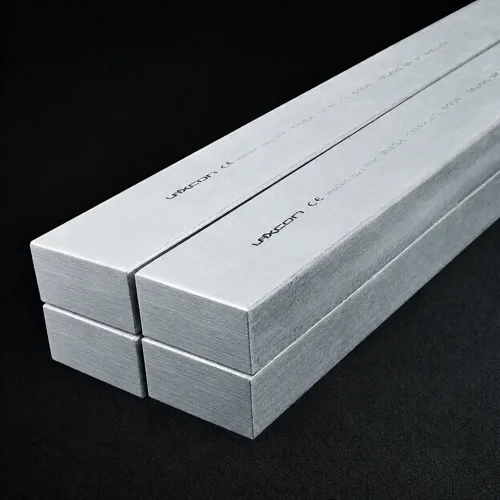 Cold-Drawn Flat Bars
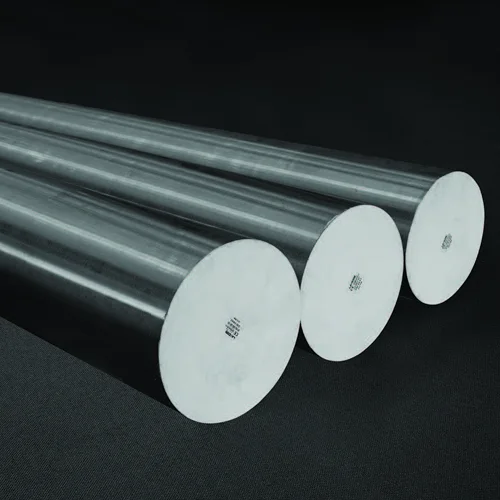 Forged & Proof Machined Bars
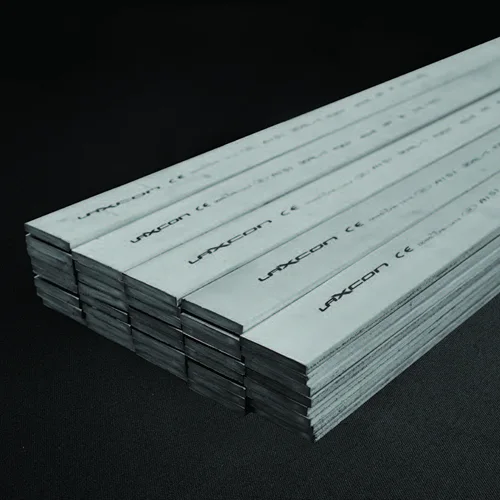 HRAP Flat Bars
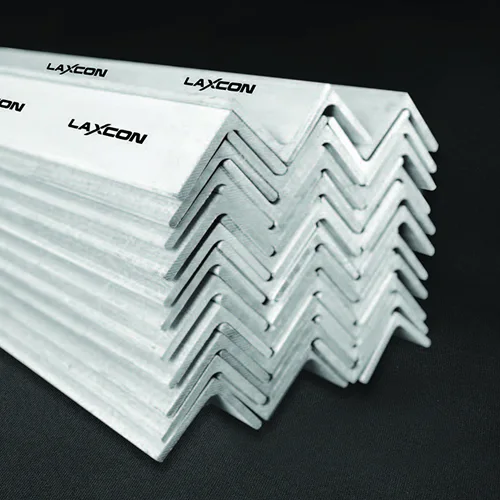 HRAP Equal Angles
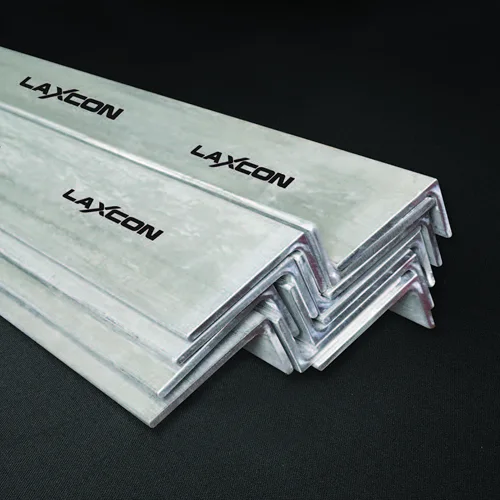 HRAP Unequal Angles
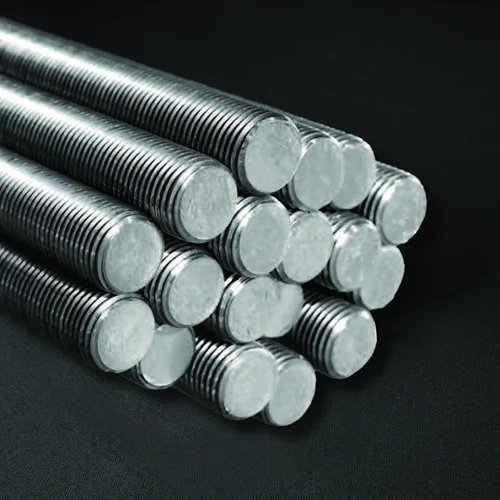 Threaded Bars
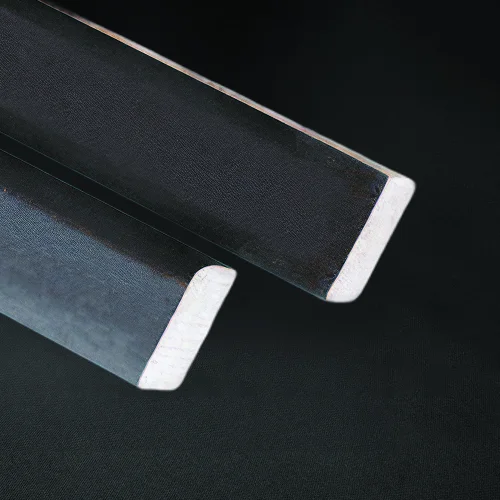 Hot Rolled Round Cornered Squares (RCS) Bars
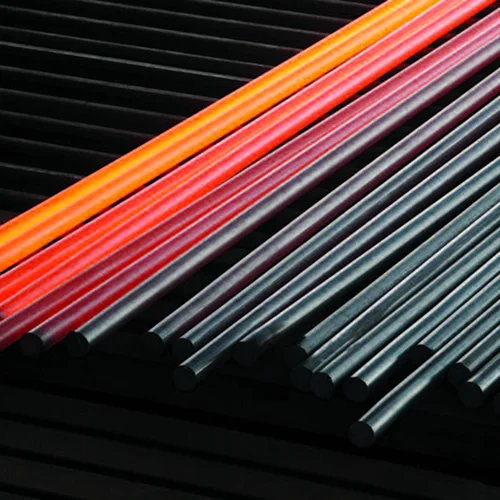 Hot Rolled Round Bars
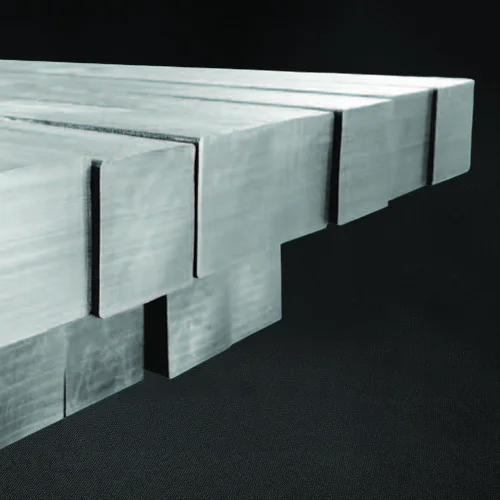 Continuous Cast Billets / Blooms
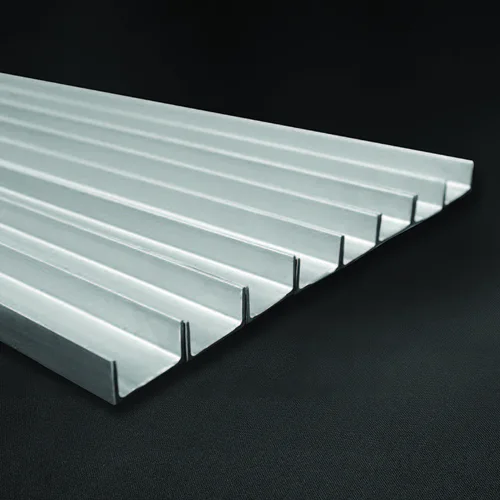 Channels
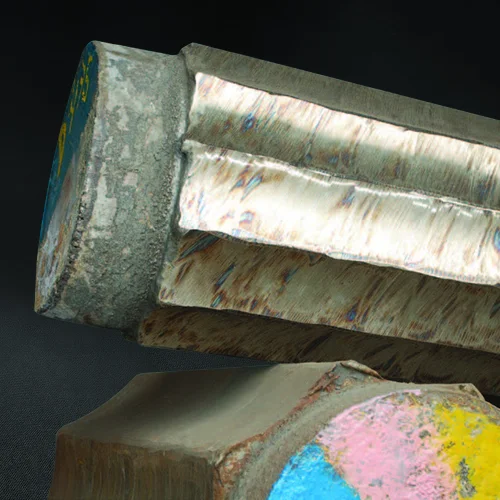 Forging Quality Ingots
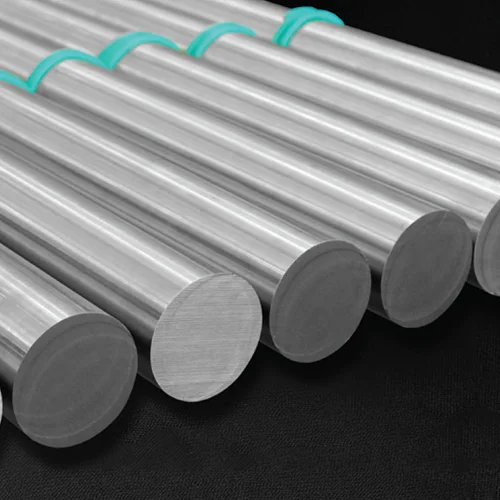 Duplex Steel
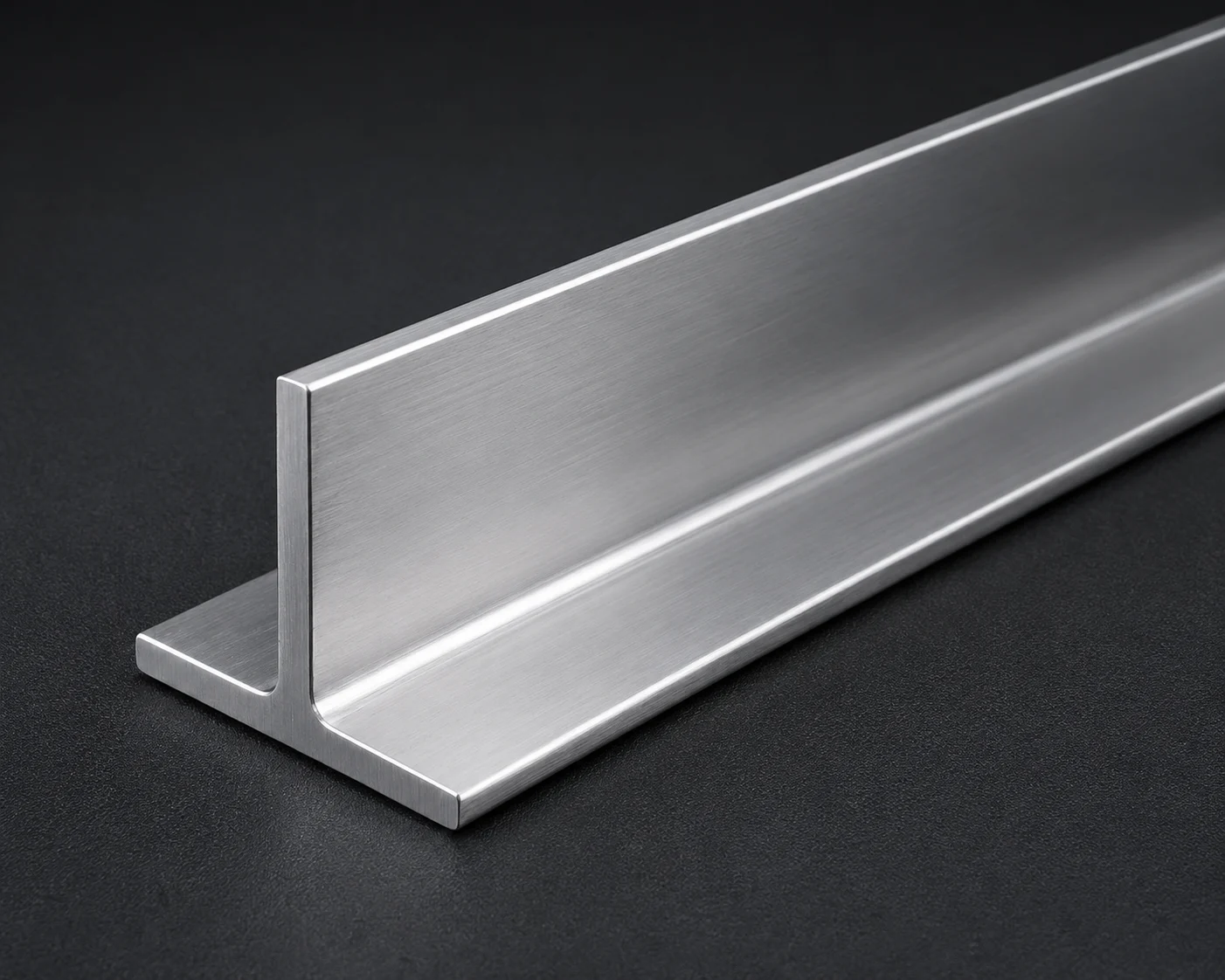 T-Profile